
On 24 February 2026, the Commerce Commission published its final Information Disclosure Determination for water services. It took effect three days later. For anyone who is a council or water organisation delivering water supply or wastewater services in New Zealand, you are now a regulated supplier under Part 4 of the Commerce Act.
What is the primary driver for Information Disclosure?
For years we've talked about the need for better data in the water sector. Better asset information. Better performance reporting. Better transparency. The National Infrastructure Plan, published by Te Waihanga in December last year, gave a pretty black and white picture of the current state of affairs: New Zealand ranks fourth to last in the OECD for asset management. Half of capital-intensive agencies don't have robust asset registers. Sixty cents of every infrastructure dollar needs to go to looking after what we've already got.
These are quite frightening numbers for managing our current legacy debt, whilst also trying to plan for the future!
What does this actually mean for suppliers?
Every regulated water supplier must now publicly disclose information across several categories. The big ones are:
- Asset management — Strategic Asset Management Plans, Asset Management Plans, Investment Delivery Plans, and Annual Delivery Reports. These must cover asset condition, performance, risk, planned investments, and even innovation practices.
- Financial sustainability — 10-year forecast financials, 30-year capital expenditure forecasts, revenue breakdowns, and details on how you're funding the work.
- Ring-fencing — Demonstrating that water revenue is being spent on water services.
- Service quality — Performance metrics that the Commission will use to compare providers and publish insights.
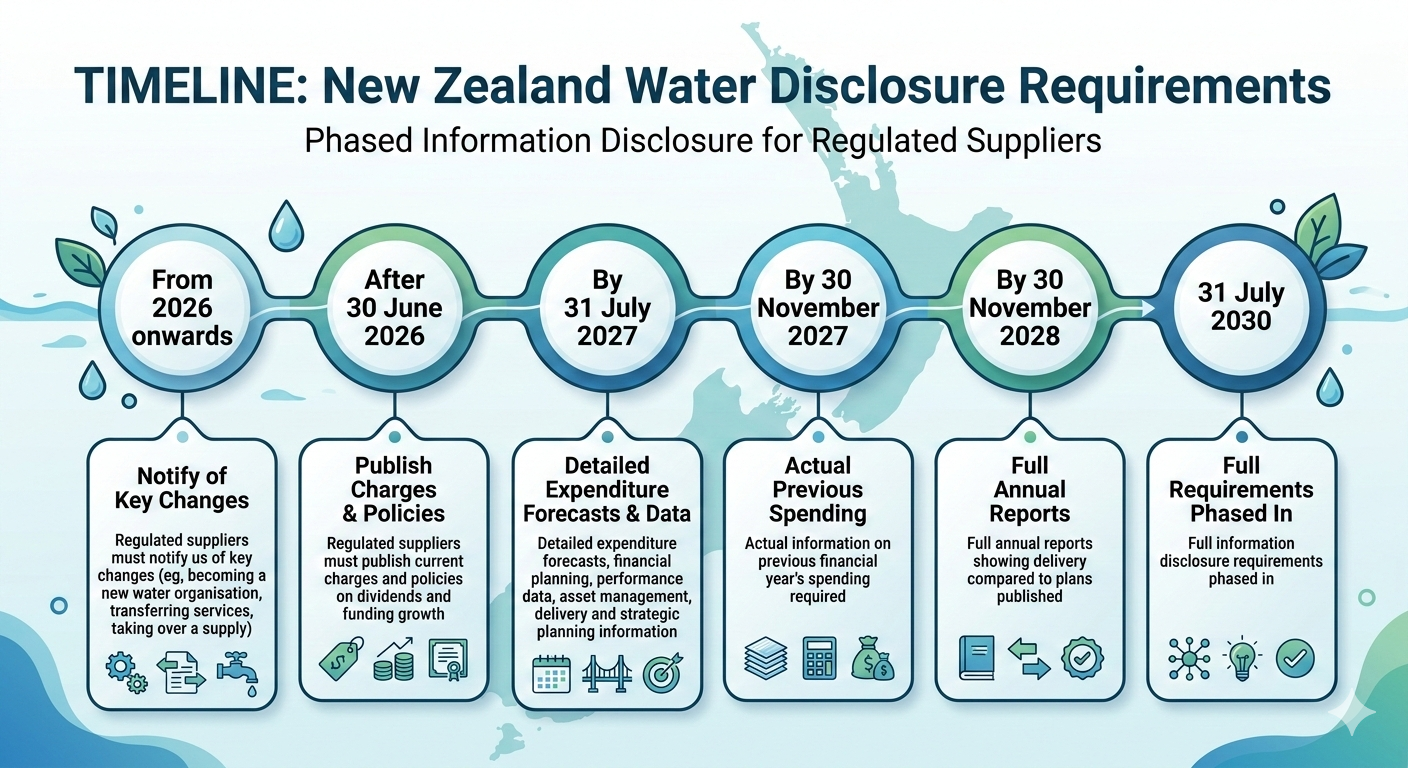
ComCom have set some tight timelines, with policies on dividends, funding growth, and charges being due by 30 June 2026. Systems and processes to collect core data must be in place by June. The first financial disclosures land in July 2027 and by 31 July 2030, every asset management document must fully comply with the enduring requirements in Schedule C. This is a condensed timeline.
Now it is important to note that there is a transitional pathway for the asset management disclosures, however that does not buy you much time. Even under the transitional approach, you must publish all currently held information, tag each requirement as 'met', 'partially met', or 'not met', produce a disclosure improvement plan, and report progress annually. All of this then becomes publicly available.
Strong Regulatory Signals
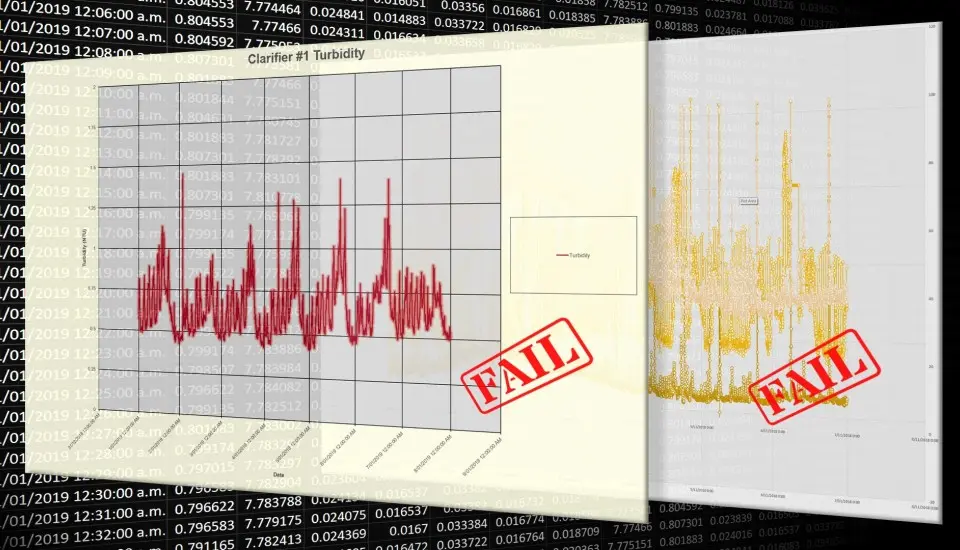
Following the early information disclosure with Wellington Water, the Commission analysed their first disclosures and found, among other things, "low confidence in the accuracy of reported data." They have now publicly flagged that they're considering whether Tiaki Wai (Wellington Water's successor) needs even stronger regulation.
Looking at this from the outside, we can see that data quality will be scrutinised, and poor quality will trigger escalation or stronger regulation.
How can Lutra assist?
Looking at the information disclosure requirements, we have pulled apart the key areas that we believe we can assist with Infrastructure Data (the original ID!). When we built ID, it was initially focused on operations management - designed to support not only compliance reporting but also performance on treatment assets.
Based on our initial reviews, here's how ID maps to the key disclosure requirements:
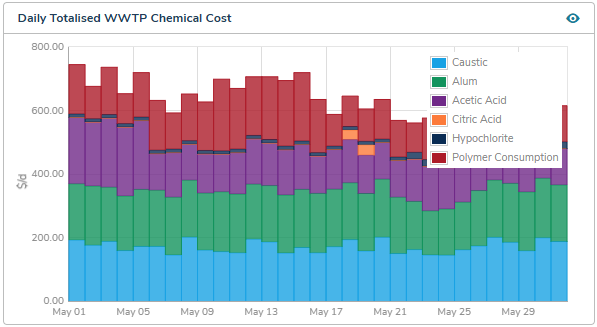
- Operational cost tracking. Chemical dosing, energy consumption, and process performance data all sit within ID for some of our clients. Alongside this, greenhouse gas reporting is also already developed. When you're required to report on financial sustainability and justify your operational expenditure, having a detailed view on this cost data is a significant advantage over annual spreadsheet reconciliations.
- Championing Innovation & Optimisation. This is a new requirement that caught my eye and one that I am personally passionate about. The Commission wants to see what innovation practices suppliers are undertaking and how they improve performance, resilience, and efficiency. Our Advanced Process Modules and expert process engineering team have worked across the industry to champion pilots to drive innovation (ceramics, MBBR, Cyanobacteria etc), whilst also leading process optimisation work, which routinely delivers $200,000 to $700,000 in annual chemical and energy savings.
Interested in getting some support? Reach out to the Lutra team, we would be happy to have a discussion around where we can support you.